See the Blood Moon Tonight in Australia: Your Full State-by-State Eclipse Schedule
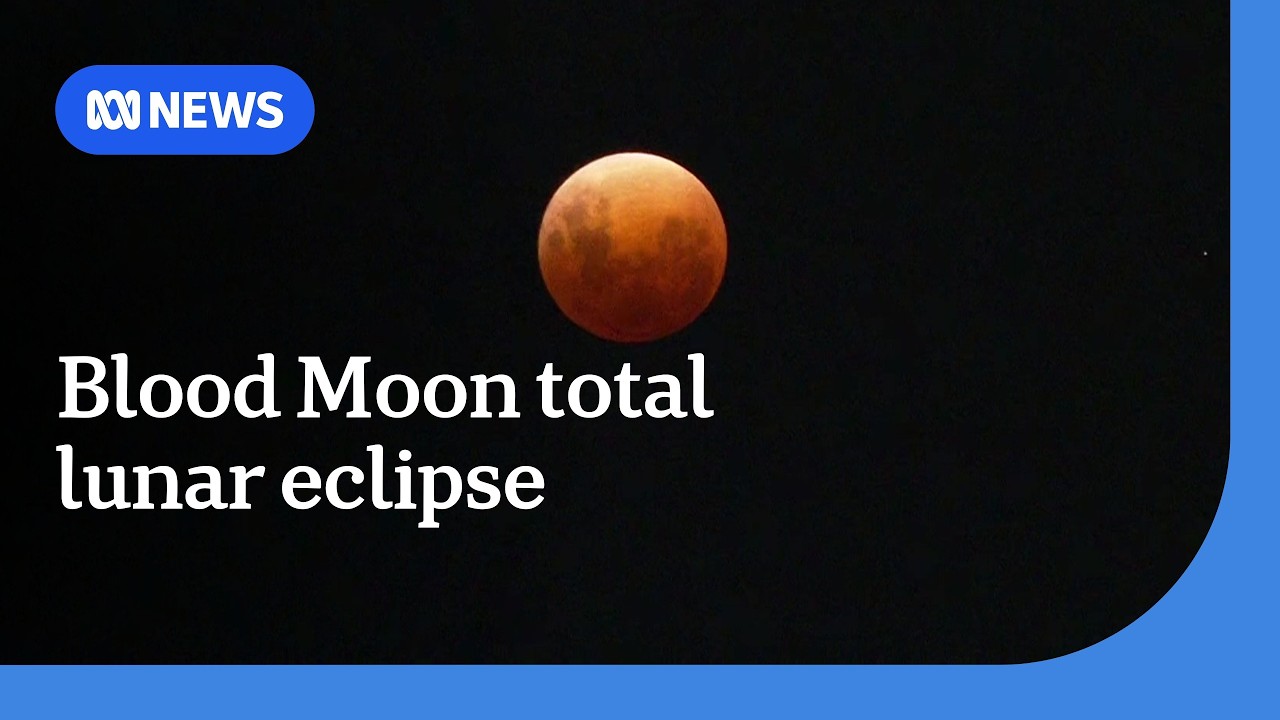
Tonight, Australians across the nation are poised for an unparalleled celestial treat: a spectacular total lunar eclipse, affectionately known as a Blood Moon. This isn't just any astronomical event; it marks the final total lunar eclipse visible from anywhere on Earth until 2029, making it an absolute must-see phenomenon. As the Earth aligns perfectly between the Sun and the Moon, our lunar neighbour will slowly transform, taking on a deep, mesmerising shade of red or orange. If you’ve ever wondered about witnessing a truly breathtaking spectacle in the night sky, tonight is your chance to connect with the cosmos and witness a rare occurrence of the **blood moon Australia** has been waiting for. From the bustling east coast cities to the remote outback, and all the way to the western shores, clear skies permitting, everyone in Australia has a front-row seat to this cosmic show. Cultural astronomer Duane Hamacher perfectly encapsulates the sentiment: "These days, how often do we get outside and look up at the sky?" Tonight provides the perfect invitation to do just that. Unlike some previous eclipses that demanded a middle-of-the-night alarm, this event is conveniently timed for evening viewing across most of the country, ensuring maximum enjoyment for families and night sky enthusiasts alike.When and Where to Witness This Celestial Spectacle: Your State-by-State Blood Moon Australia Schedule
The entire lunar eclipse process will unfold over approximately three and a half hours, with the dramatic "blood moon" phase – when the Moon is fully immersed in Earth's shadow – lasting for about an hour. Mark your calendars for March 3, 2026, and find your local times below to ensure you don't miss a single moment of this magnificent event.New South Wales (NSW), Australian Capital Territory (ACT), Victoria (VIC), Tasmania (TAS)
These eastern states will experience the total lunar eclipse with the Moon high in the sky during its full crimson glory, offering excellent visibility.- Partial eclipse begins: 8:50 PM AEDT
- Total eclipse begins (Blood Moon starts): 10:04 PM AEDT
- Total eclipse peaks (Deepest red): 10:33 PM AEDT
- Total eclipse ends (Blood Moon finishes): 11:02 PM AEDT
- Partial eclipse ends: 12:17 AM AEDT (March 4)
South Australia (SA)
South Australians will also enjoy a prime viewing experience, with events commencing slightly earlier than their eastern neighbours.- Partial eclipse begins: 8:20 PM ACDT
- Total eclipse begins (Blood Moon starts): 9:34 PM ACDT
- Total eclipse peaks (Deepest red): 10:03 PM ACDT
- Total eclipse ends (Blood Moon finishes): 10:32 PM ACDT
- Partial eclipse ends: 11:47 PM ACDT
Queensland (QLD)
Queenslanders will be among the first to witness the full total lunar eclipse, with the peak occurring before 10 PM.- Partial eclipse begins: 7:50 PM AEST
- Total eclipse begins (Blood Moon starts): 9:04 PM AEST
- Total eclipse peaks (Deepest red): 9:33 PM AEST
- Total eclipse ends (Blood Moon finishes): 10:02 PM AEST
- Partial eclipse ends: 11:17 PM AEST
Northern Territory (NT)
The Northern Territory offers an even earlier start to the total eclipse phase, perfect for those wanting to catch the show before it gets too late.- Partial eclipse begins: 7:20 PM ACST
- Total eclipse begins (Blood Moon starts): 8:34 PM ACST
- Total eclipse peaks (Deepest red): 9:03 PM ACST
- Total eclipse ends (Blood Moon finishes): 9:32 PM ACST
- Partial eclipse ends: 10:47 PM ACST
Western Australia (WA - Perth)
For those in Western Australia, particularly around Perth and Geraldton, the viewing experience will be unique. The Moon will rise already partially eclipsed, meaning you'll need a clear eastern horizon to catch the start of the total eclipse.- Total eclipse begins (Blood Moon starts): 7:04 PM AWST (Moon will rise already partially eclipsed)
- Total eclipse peaks (Deepest red): 7:33 PM AWST
- Total eclipse ends (Blood Moon finishes): 8:02 PM AWST
- Partial eclipse ends: 9:17 PM AWST
Unveiling the Blood Moon: What Makes It Turn Red?
Optimising Your Blood Moon Experience: Expert Viewing Tips
To ensure you make the most of this rare event, especially since it's the last until 2029, here are some practical tips to enhance your **blood moon Australia** viewing experience:1. Check the Weather Forecast: This is arguably the most crucial step. A clear night sky is essential for visibility. While you can't control the weather, knowing what to expect will help you prepare or adjust your plans.
2. Find Your Vantage Point: Choose a location with an unobstructed view of the sky. For Western Australia, a clear eastern horizon is vital as the Moon will be low when the total eclipse begins. For the East Coast, the Moon will be higher, but avoiding light pollution is always beneficial. Parks, open fields, or even a backyard away from bright streetlights can be ideal.
3. No Special Equipment Needed: One of the best aspects of a lunar eclipse is that it's perfectly safe and visible to the naked eye. You don't need telescopes or special filters. However, binoculars can offer a more magnified and detailed view, allowing you to appreciate the subtle colour variations and lunar features.
4. Patience is Key: Remember, lunar eclipses are "leisurely." The process unfolds gradually, from the initial partial phase to the full Blood Moon and its eventual receding. Allow yourself time to simply sit back and watch the transformation. Bring a comfortable chair or blanket.
5. Dress Appropriately: Even on a warm day, nights can get chilly. Dress in layers to stay comfortable during your viewing session, especially if you plan to be outside for the full 3.5-hour duration.
6. Turn Off Lights: If viewing from your backyard, switch off any unnecessary outdoor lights. This will help your eyes adjust to the darkness and enhance the contrast of the Moon against the night sky, giving you a clearer, more vibrant view of the Blood Moon.